

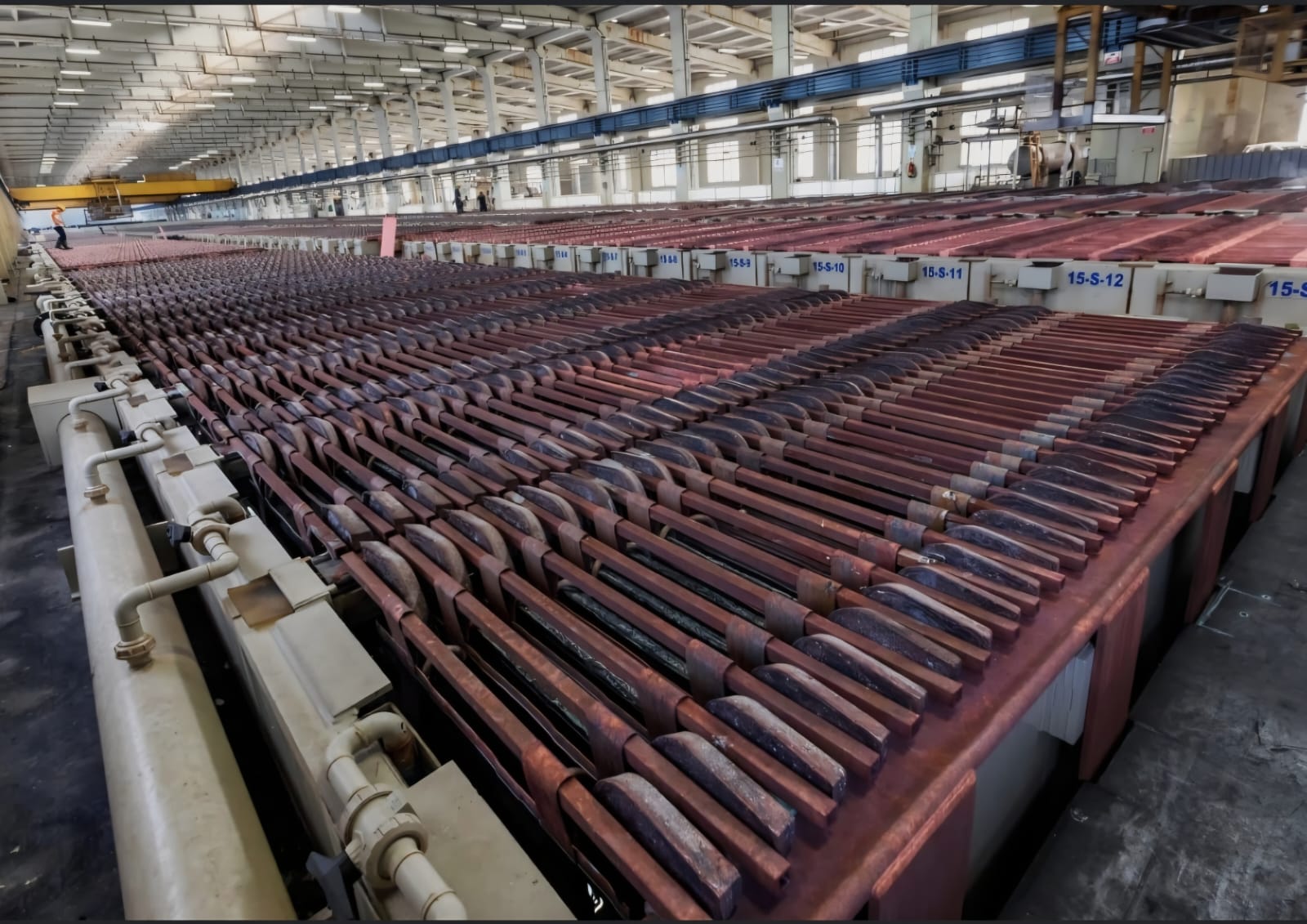
In Cobalt Plant in DRC

A Cobalt refinery in Democratic Republic of Congo
Our System uses

In Cobalt Plant in DRC

In a modern cobalt refinery in the Democratic Republic of Congo (DRC), computerized SCADA (Supervisory Control and Data Acquisition) & DCS (Distributed Control Systems) operate at every electrolysis trough (cell) through our Desktop Computer Systems. They collect real-time data to regulate vital parameters like cell voltage, current variation, electrolyte composition (including pH and cobalt ion concentration), temperature, and deposition timing.

The following is a narrative of how this high-stakes, electrochemical monitoring unfolds on the bustling floor of the tankhouse refinery:
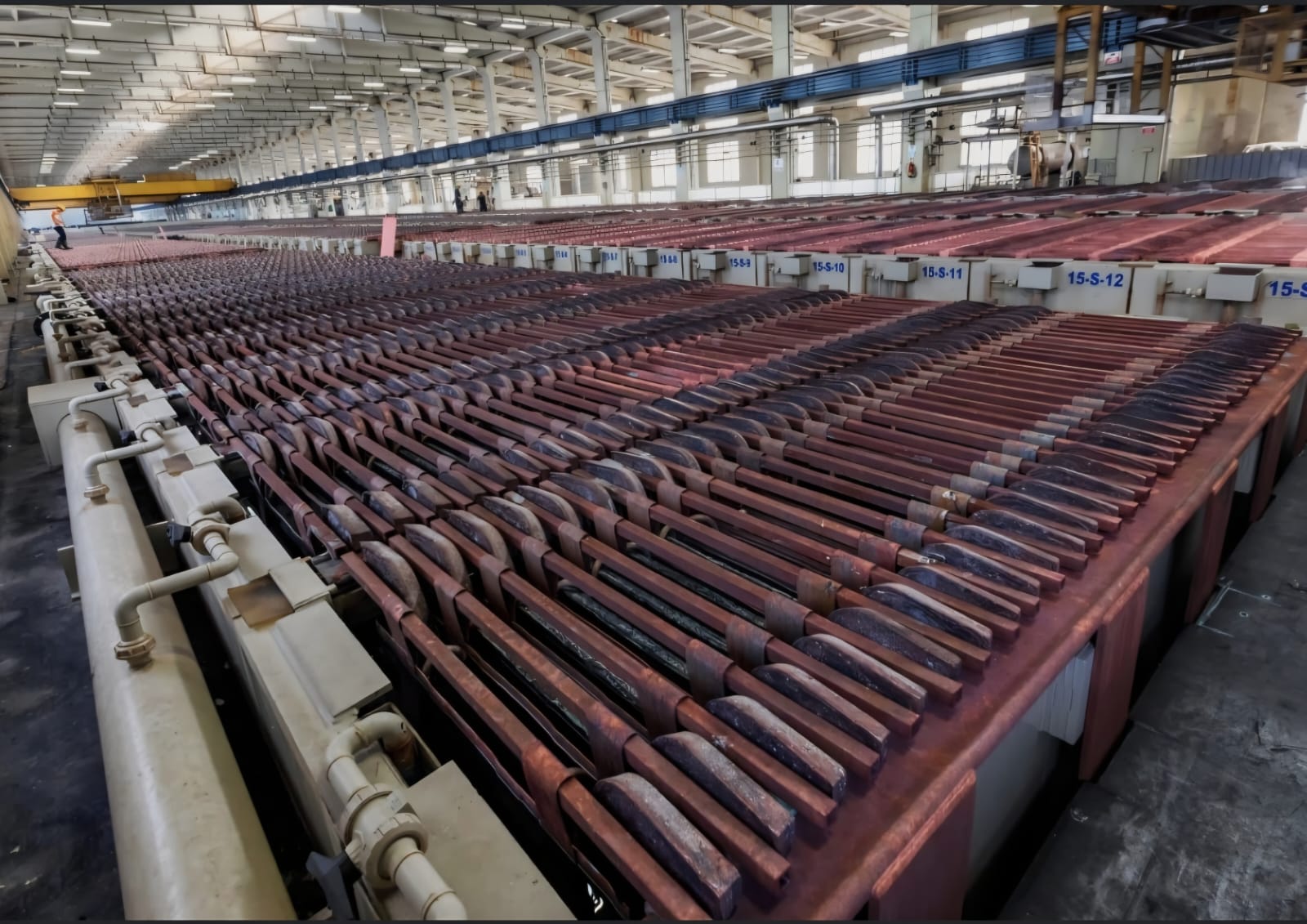
The Central Control Room: The Nerve Center on the operations floor, shimmering sheets of pure cobalt are meticulously electrowon from a sulfate-rich pregnant leach solution. Inside the air-conditioned, dust-free control room, a massive wall of monitors displays the status of thousands of parallel electrolysis troughs. A Distributed Control System (DCS) constantly scans for any deviation. If an anomaly happens at a single cell, the control screens immediately flash alerts to the process engineer.

Trough-by-Trough Parameter Tracking: Spaced along the production floor, thousands of ruggedized desktop computers and smart sensors are assigned directly to localized banks of troughs. Here is how they record and control the exact science of extraction:

Cell Voltage & Current Density: The computer records the exact potential and electrical current applied to each individual cathode. If it senses a voltage drop or a short circuit caused by electrode misalignment, it isolates that specific trough. It then dynamically adjusts the current density—crucial for preventing the codeposition of impurities or the formation of brittle, stressed deposits.

Electrolyte Composition (pH & Concentration): Maintaining the correct acid-base balance is vital. If the pH drops below the optimum 4.0 - 5.0 range, the acid begins to re-dissolve the freshly plated cobalt. Automated analyzers continuously sample the liquor. If they detect low cobalt concentration or a pH drift, the computers trigger motorized valves to dose precise amounts of chemical additives, such as sodium sulfate or modifying reagents, back into the trough loop.

Temperature Control: Cobalt electrowinning thrives in hot, regulated conditions which improves ion mobility and current efficiency. Thermal sensors send continuous data to the localized controllers, which open or close steam valves in the heat exchangers to maintain the exact thermal equilibrium.

Deposition Timing: The computers use real-time calculations to monitor the Faradaic efficiency of the deposition. By tracking the total electrical charge passed into the cell, the software determines the precise harvest time. When the cobalt cathode reaches its target thickness, the system flags the trough as "Ready for Harvesting," ensuring uniform yield and optimal energy use.

Sustainable and Ethical Traceability: Because Congolese cobalt is so vital to the global energy transition, computer logs do much more than just manage chemistry. Every parameter logged during the electrolysis process ties directly into a digital passport and traceability software. By logging the exact timing and parameters for every single batch of cathodes, the refinery guarantees purity, operational transparency, and responsible production down to the exact trough.